
What to Expect During the Restoration Process
People seeking storm restoration usually want to repair damage quickly and safely, and local contractors can provide expert services to restore their property efficiently.
Understanding what to expect during the restoration process can help property owners feel more prepared and confident when facing storm-related damages. Whether dealing with roof leaks, water intrusion, or structural issues, knowing the typical steps involved allows homeowners to navigate repairs more smoothly. Local contractors experienced in storm restoration services are equipped to handle these situations, guiding property owners through each phase with clarity and professionalism. Exploring this topic is especially practical for those who want to minimize surprises and ensure their property is restored efficiently and effectively.
Continuing to learn about the restoration process can also help property owners make informed decisions when choosing service providers. From initial assessments to final touches, local contractors are skilled at managing the complexities of storm damage repairs. By understanding what to expect during the restoration process, property owners can better coordinate with trusted professionals and ensure their property is restored to its best condition. Keep reading to discover the key aspects of storm restoration and how local experts can support every step of the way.
- Roof Repair - when storm damage causes leaks or structural issues, local contractors assess the damage and perform necessary repairs to restore roof integrity.
- Siding Replacement - after severe weather, service providers handle siding damage to protect the home from further harm and improve exterior durability.
- Gutter Repair and Installation - during storm restoration, local pros address gutter issues to ensure proper drainage and prevent water damage.
- Window and Door Restoration - storm impacts may require professionals to repair or replace damaged windows and doors for security and weather resistance.
- Interior Water Damage Restoration - when flooding or leaks occur, service providers manage water extraction and drying to prevent mold growth and structural deterioration.
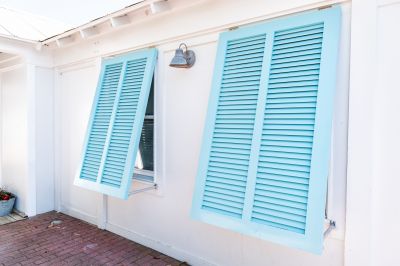
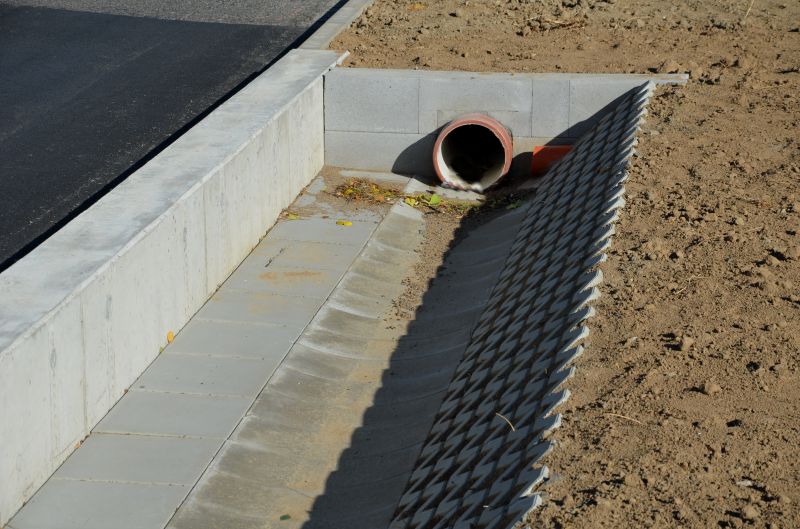

Understanding what to expect during the restoration process can help homeowners feel more prepared when dealing with storm-related damages. Typically, this process involves several key stages, starting with an initial assessment of the property’s damage. Local contractors or service providers will evaluate the extent of the destruction caused by storms, such as roof damage, water intrusion, or structural issues. Once the assessment is complete, they will develop a plan to address the specific problems, which may include debris removal, repairs, and restoration work. Homeowners should anticipate a series of coordinated steps, each aimed at restoring the property to its pre-storm condition, with communication from the service providers about what will happen at each stage.
The types of problems encountered during storm damage restoration are often varied but generally involve issues like roof leaks, fallen trees, broken windows, or water damage from flooding. These problems can compromise the safety and integrity of a home, making timely intervention crucial. Restoration plans usually prioritize addressing structural concerns first, followed by repairs to exterior elements like siding or roofing. Homeowners should understand that the process may also involve mitigation efforts, such as drying out water-damaged areas or removing debris, to prevent further deterioration. Local storm restoration professionals are equipped to handle these problems efficiently, ensuring that the property is stabilized before moving on to repair and reconstruction.
Properties that typically require storm restoration services include residential homes, especially those with older or less durable construction, as well as multi-family buildings and small commercial properties. Single-family houses are often the most common, but larger apartment complexes or business structures in storm-prone areas may also need extensive work. The damage can vary widely depending on the storm’s severity, but common issues include roof damage, water intrusion, and foundation problems. Homeowners should recognize that local contractors experienced in storm restoration are familiar with the unique challenges these types of properties face, and they can provide tailored solutions to restore safety and functionality.
Throughout the restoration process, homeowners can expect a collaborative effort between them and local service providers. While the specific steps may differ based on the damage, the focus is always on returning the property to a safe, stable condition. Homeowners should be prepared for a series of inspections, repairs, and cleanup activities, with clear communication from the contractors about what to expect at each phase. By working with experienced local pros, homeowners gain access to skilled professionals who understand the complexities of storm damage and can guide them through the restoration journey. This partnership helps ensure the process is as smooth as possible, with the goal of restoring the property’s strength and security after a storm.
Water Damage Repair - This project involves assessing and restoring areas affected by water intrusion, utilizing similar planning and moisture detection tools as storm restoration services.
Roof Repair and Replacement - Contractors in this field manage storm-damaged roofs, requiring similar assessment, planning, and repair techniques to ensure durability and safety.
Mold Remediation - Mold removal projects require moisture control and thorough cleaning practices that align with the restoration process after storm-related water damage.
Structural Drying - Focused on drying and dehumidifying affected structures, this work shares techniques for moisture management used during storm restoration.
Emergency Board-Up Services - Providing immediate protection for damaged properties, these services involve quick assessment and planning similar to storm damage stabilization.
Siding and Exterior Repair - Repairing storm-damaged exteriors involves planning and tools comparable to those used in comprehensive storm restoration projects.
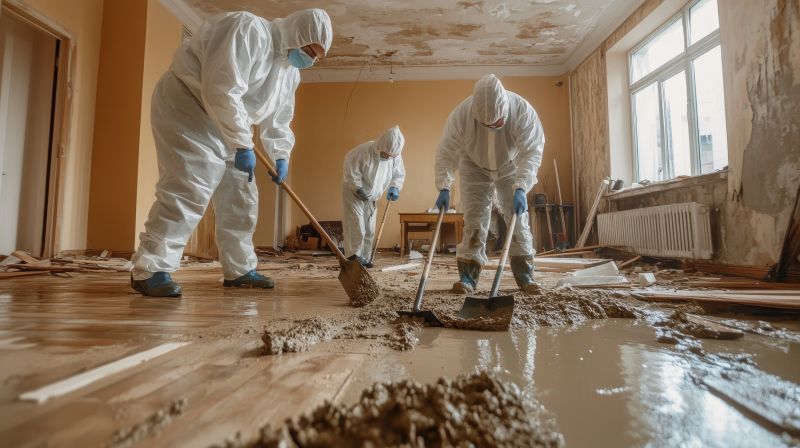
When evaluating storm restoration service providers, it is important to consider their experience with similar projects. Homeowners should look for local contractors who have a proven track record of handling restoration work comparable to their specific needs. This experience can often indicate familiarity with the common challenges and best practices involved in storm damage repairs, helping to ensure a smoother process. Additionally, reputable references or reviews can provide insight into the quality of work and reliability of the service providers, giving homeowners a clearer picture of what to expect during the restoration process.
Clear, written expectations are crucial when comparing local contractors for storm restoration services. Service providers who outline the scope of work, materials involved, and the steps involved in the process help homeowners understand what will happen at each stage. This transparency can reduce uncertainties and foster trust, making it easier to prepare for what to expect during the restoration process. Well-documented plans also serve as a reference point throughout the project, helping to ensure that both parties are aligned and that any questions or concerns can be addressed promptly.
Effective communication is a key factor when selecting local contractors for storm restoration. Service providers who maintain open lines of communication and provide timely updates tend to facilitate a more organized and less stressful experience. Homeowners should look for professionals who are responsive to inquiries and willing to explain the various phases of the restoration process in understandable terms. Good communication helps set realistic expectations, minimizes misunderstandings, and ensures that homeowners feel informed and involved throughout the project, contributing to a more positive overall experience during what can be a challenging time.
Property owners often search for what to expect during the restoration process when they are planning practical projects around their homes and businesses. Local pros provide Storm Restoration services for everyday jobs and straightforward project options.
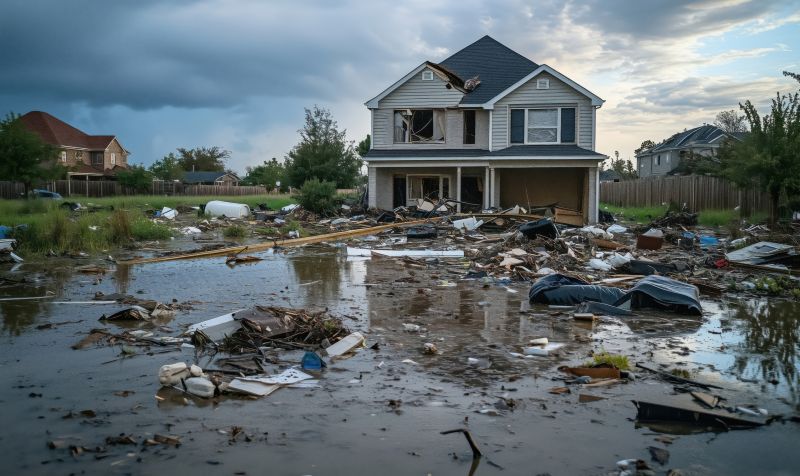
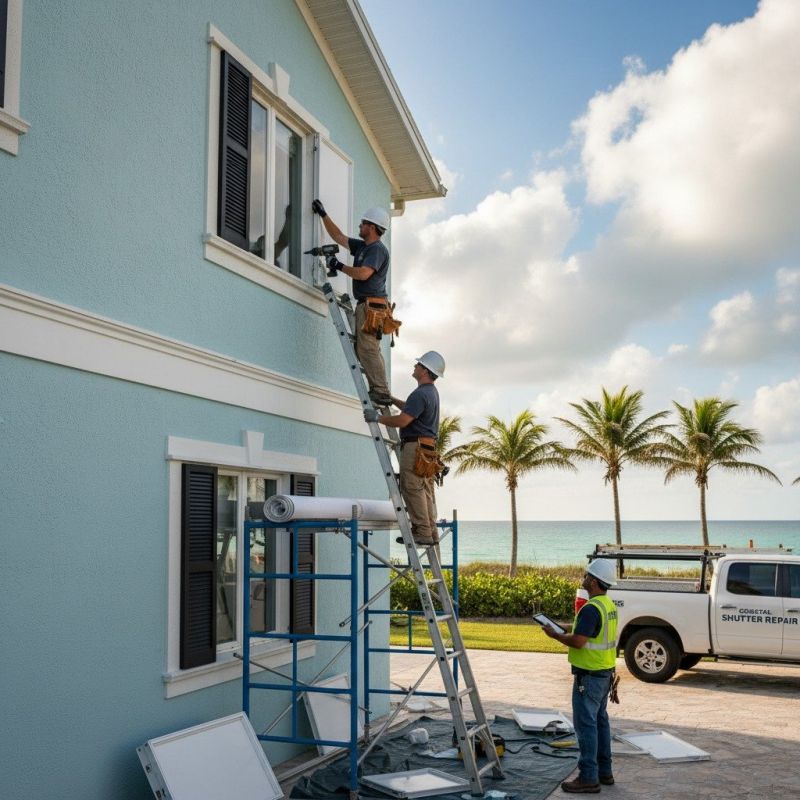
During the storm restoration process, property owners can expect a series of practical steps as local contractors work to repair and restore damaged structures. Typically, the process begins with a thorough assessment of the affected areas, helping to identify immediate safety concerns and prioritize repairs. As work progresses, homeowners might notice debris removal, temporary protective measures, and the start of repairs to roofing, siding, or windows. Understanding what to expect during the restoration process can help property owners stay informed and prepared for the various stages involved in returning their property to its pre-storm condition.
Many property owners seek storm restoration services to navigate the complexities of repairs after severe weather events. Local service providers often coordinate with property owners to provide updates on progress and explain the scope of work being done. During the restoration, it’s common to see workers on-site performing tasks like structural reinforcement, water extraction, or debris cleanup, depending on the damage. Knowing what to expect during the restoration process can make the experience less overwhelming, as local contractors are available to handle the necessary repairs efficiently and effectively, helping property owners restore their homes or businesses with confidence.
What should I expect during the restoration process after storm damage? During storm restoration, local contractors typically assess the damage, secure the property, and begin repairs or replacements of damaged materials. They work systematically to restore your home or business to its pre-storm condition, keeping you informed about each stage.
How do local service providers handle the cleanup during restoration? Restoration professionals usually start with debris removal and cleaning of affected areas, ensuring the space is safe and ready for repairs. This step is essential to prevent further damage and prepare for the restoration work ahead.
What kind of repairs are common during storm restoration? Common repairs include replacing damaged roofing, siding, windows, and insulation, as well as addressing water intrusion issues. Local contractors aim to restore structural integrity and protect the property from future storm effects.
Will I need to be involved during the restoration process? While the process is managed by local service providers, property owners are often kept informed about progress and may be asked to approve certain repairs or decisions related to the restoration work.
What steps do local contractors take to ensure the restoration is thorough? They typically conduct inspections, follow a detailed repair plan, and use quality materials to ensure all damage is addressed properly. This approach helps restore the property’s safety and functionality after storm damage.
Assessment and Inspection - Local contractors will evaluate the extent of storm damage to determine necessary repairs and restoration steps.
Preparation and Planning - Property owners can work with service providers to develop a clear plan for addressing structural and cosmetic issues caused by storms.
Restoration Work - Skilled professionals will handle repairs such as roof fixing, siding replacement, and interior restoration to restore the property’s condition.
Final Inspection and Cleanup - After work completion, local pros will conduct a thorough inspection and ensure the site is clean and safe for occupancy.
If you are thinking about what to expect during the restoration process for a property, this guide is meant to help you understand this topic, the typical project types, and how different options might fit your plans.
When you are ready, you can use the quote form on this page to share a few details about your project. From there, local pros can review the basics and follow up with options that match what you have in mind.